

Most organic waste streams contain oils, protein-rich solids, and clarified water that have active buyers across agriculture, energy, and manufacturing. Diamond T’s Alfa Laval centrifuge systems recover those materials before they reach disposal, cutting hauling costs and generating revenue from what most operations treat as pure waste.


Organic waste recovery applications involve feed streams that shift in composition, oil content, and solids loading across sources and operating conditions. The separation system has to handle that variability continuously and still produce output that meets secondary market specifications.
Diamond T configures centrifuge systems for your waste stream’s specific composition and recovery targets, with every system arriving complete with auxiliary equipment, polymer dosing, and controls matched to your application. Equipment is available for immediate rental or purchase with shipping turnarounds as fast as 48 hours.
As Alfa Laval’s Master Distributor, Diamond T maintains the largest centrifuge fleet in North America and configures systems across the full range of decanter centrifuges. Organic waste recovery spans a wide range of applications, each with different feed composition, output targets, and secondary market requirements. Diamond T brings product depth and application expertise to match the right system to each one.
Diamond T’s technical depth across bowl geometry, differential speed, polymer chemistry, and auxiliary equipment selection is what determines whether the recovered oil is sellable, the dry solids are usable, and the clarified water meets discharge or reuse requirements.
We offer:
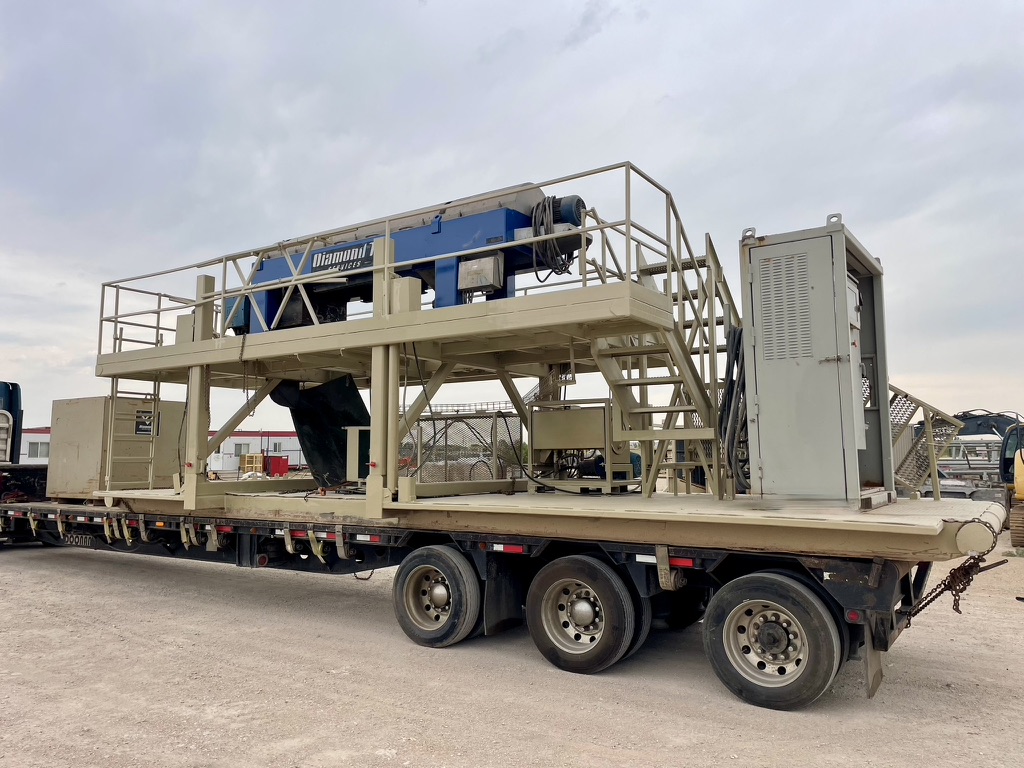
Diamond T configures centrifuge systems for organic waste recovery across heavy industrial settings. Supported applications include:
FOG is the organic waste collected from restaurant grease traps, fryer oil drums, and food service operations. It cannot be discharged to municipal sewer systems without significant fines, so most generators pay haulers to remove it on a regular schedule.
FOG contains recoverable oil that biodiesel refineries actively purchase, and centrifuge separation extracts that oil before it reaches disposal, reducing hauling costs and generating revenue from material the operation was paying to remove.
UCO is a primary feedstock for biodiesel and renewable diesel production with active buyers in most regions. In its raw form it does not meet buyer specifications. Centrifuge separation removes the water and solids, producing clarified oil suitable for direct sale to biodiesel refineries or industrial fat markets.
Stillage, the liquid and solid byproduct left after fermentation and distillation, contains protein, fiber, and residual starches with established value as livestock feed inputs. Wet stillage degrades quickly, which makes disposal both time-sensitive and expensive. Centrifuge dewatering removes the water and produces dry solids that meet feed market specifications, eliminating the hauling cost that wet stillage would otherwise carry.
Class B biosolids are treated municipal or industrial wastewater sludge meeting EPA pathogen reduction standards for land application across agricultural, forestry, and reclamation sites. Reaching that classification depends on consistent cake dryness that passive settling and conventional presses rarely deliver at scale.
Centrifuge dewatering produces that consistency, and the resulting material qualifies as a soil amendment with an established market in agriculture.
Conventional approaches, including lagoon storage, hauling, and passive settling, move material off-site without recovering value. Belt presses and screw presses struggle with inconsistent feed composition, foul on high-fat streams, and produce wet solids that rarely meet secondary market standards. Centrifuge separation operates continuously regardless of changes in feed composition, producing dry solids and clean liquid outputs that consistently meet those standards.
A decanter centrifuge separates most organic waste streams into three recoverable outputs:
Diamond T characterizes each waste stream before recommending a configuration, covering:
That analysis determines centrifuge configuration, auxiliary equipment, and polymer chemistry. For applications where composition varies significantly, Diamond T deploys pilot equipment to the site to validate performance before recommending a full-scale system.
Diamond T deploys a configured centrifuge system to your site on flexible rental terms, running on your actual waste stream under your operating conditions. The goal is to validate separation performance, characterize the recovered outputs, and confirm quality meets target market specifications before committing to full-scale equipment.
Equipment is available for immediate rental or purchase, with shipping turnaround in as short as 48 hours. Every system arrives complete with auxiliary equipment, polymer dosing, and controls configured for the application.
Diamond T Services ensures you have the right equipment for your project while managing costs effectively. Access proven centrifuge separation technology with these flexible options:
Most operations paying to dispose of organic waste are sitting on material that has active buyers. Diamond T brings fleet depth, application expertise, and separation technology to recover what your operation is currently paying to have removed. We configure systems to your specific waste stream, validate performance on your actual material, and support your operation from deployment through ongoing production.